




Staying hydrated during Ramadan’s long fasting hours can be challenging, and plain water gets boring fast. These 5 refreshing drinks you can make at home during Ramadan offer the perfect solution for anyone wanting to break their fast with something special or simply cool down on hot days.
These homemade beverages are perfect for families observing Ramadan, busy parents who want healthy alternatives to store-bought drinks, and anyone craving fresh flavors without artificial ingredients. Each recipe uses simple ingredients you probably already have in your kitchen.
We’ll start with the essential ingredients and equipment you need to get started, then dive into crowd-pleasers like the hydrating Coconut Water Mint Cooler and the elegant Rose Lemonade. You’ll also discover how to make refreshing options like Watermelon Basil Agua Fresca that bring natural sweetness and the antioxidant-packed Iced Hibiscus Tea with Lime that’s both beautiful and healthy.
Essential Ingredients and Equipment for Homemade Refreshing Drinks
Basic pantry staples every home cook should have
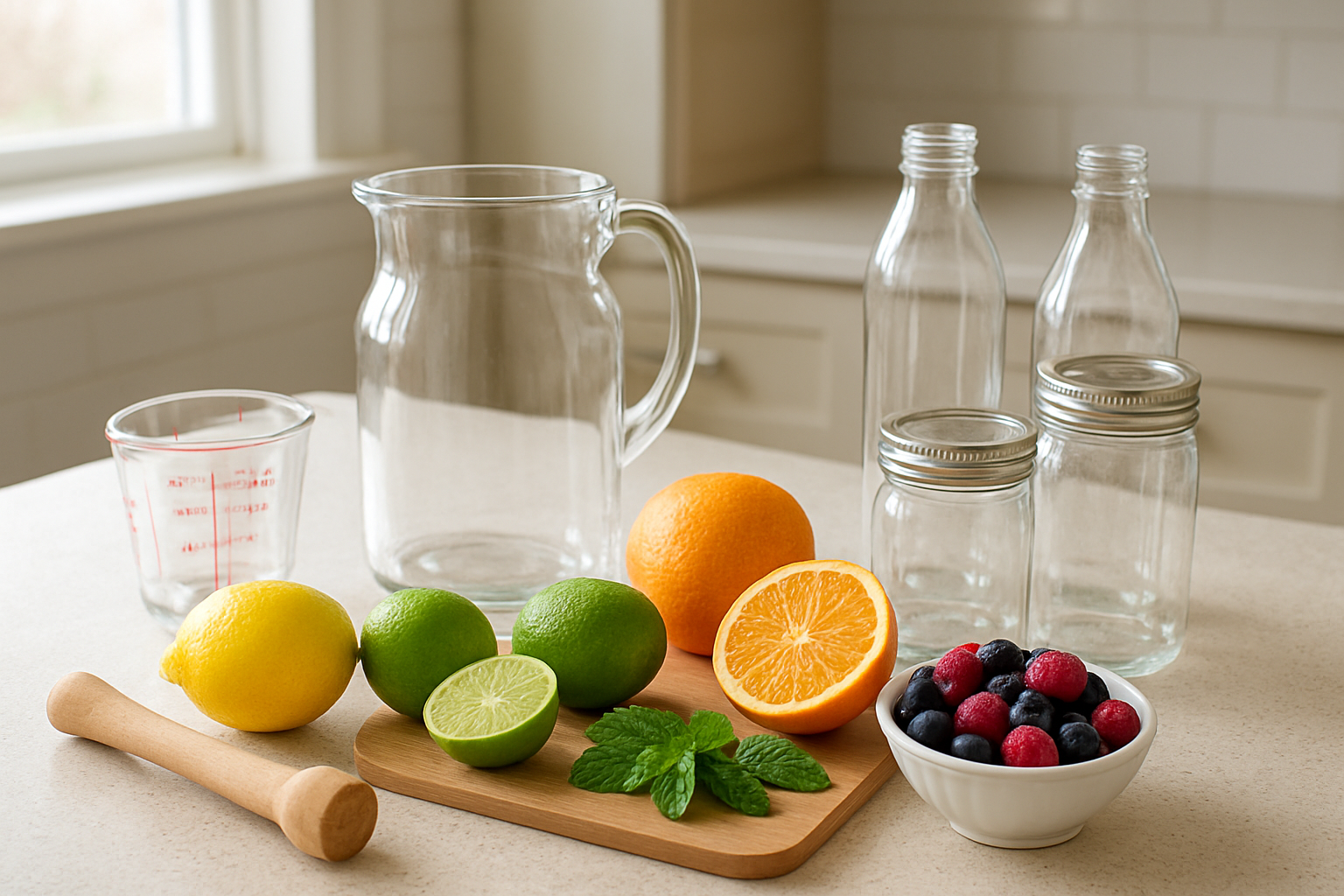
Your pantry serves as the foundation for creating delicious and refreshing drinks without constant grocery store trips. Stock up on citrus fruits like lemons and limes – they keep well and add bright acidity to any beverage. Granulated sugar remains essential, but consider keeping simple syrup on hand since it dissolves instantly in cold liquids. Honey offers natural sweetness with complex flavors that pair beautifully with herbal teas and fruit combinations.
Sea salt might sound unusual for drinks, but a tiny pinch enhances sweetness and balances flavors remarkably well. Keep vanilla extract for adding depth to fruit-based beverages, and don’t overlook coconut milk or coconut water for tropical variations. Dried hibiscus flowers store for months and create stunning ruby-colored teas packed with antioxidants.
Sparkling water transforms any fruit juice into an elegant fizzy drink, while regular filtered water ensures your beverages taste clean and pure. Stock various teas – green, black, herbal blends – since iced versions make excellent drink bases. Apple cider vinegar adds tangy complexity to shrubs and drinking vinegars that are incredibly refreshing when diluted properly.
Fresh fruits and herbs that enhance flavor and nutrition
Fresh ingredients elevate homemade drinks from ordinary to extraordinary while boosting nutritional content significantly. Watermelon provides natural sweetness and high water content, making it perfect for hydrating beverages. Cucumbers add subtle flavor and cooling properties that work wonderfully in spa-style waters and light cocktails.
Mint stands out as the most versatile herb for drinks – it pairs with everything from chocolate to citrus to melons. Fresh basil creates surprising and delightful combinations, especially with strawberries, watermelon, or tomato-based beverages. Rosemary adds sophisticated pine notes to citrus drinks, while thyme complements berry flavors beautifully.
Berries like strawberries, blueberries, and raspberries muddle easily and release natural sugars quickly. Citrus fruits beyond lemons and limes – think grapefruits, oranges, and blood oranges – provide different acid profiles and unique flavors. Fresh ginger root adds warming spice and digestive benefits to any drink.
Seasonal fruits offer the best flavors and prices. Summer brings peaches, plums, and stone fruits that blend beautifully. Winter citrus season provides the juiciest oranges and grapefruits. Always taste your fruits before using them – ripe, flavorful produce makes dramatically better drinks than bland, out-of-season options.
Simple kitchen tools that make preparation effortless
The right tools streamline drink preparation and prevent frustration in the kitchen. A good citrus juicer – whether handheld or countertop style – extracts maximum juice with minimal effort. Microplane zesters create perfect citrus zest that adds aromatic oils without bitter pith.
Large glass pitchers with tight-fitting lids allow you to make big batches and store drinks safely in the refrigerator. Mason jars work perfectly for individual servings and look attractive when serving guests. Fine-mesh strainers remove pulp, seeds, and herb particles for smooth, professional-looking beverages.
A muddler helps release essential oils from herbs and breaks down fruit for maximum flavor extraction. Wooden spoons won’t scratch glass or ceramic containers when stirring. Sharp knives make quick work of chopping fruits and herbs – dull blades crush delicate ingredients instead of cutting cleanly.
Ice cube trays seem basic but consider getting large cube trays or sphere molds – bigger ice melts slower and dilutes drinks less. Measuring cups and spoons ensure consistent results when you find winning combinations you want to repeat. A simple blender handles fruit smoothies and frozen drinks effortlessly.
Keep cocktail shakers on hand even for non-alcoholic drinks – they’re excellent for combining ingredients thoroughly and creating frothy textures. Bottle openers and can openers ensure you can access sparkling water and canned coconut milk easily.
Coconut Water Mint Cooler – The Ultimate Hydration Boost
Health benefits of coconut water for fasting periods
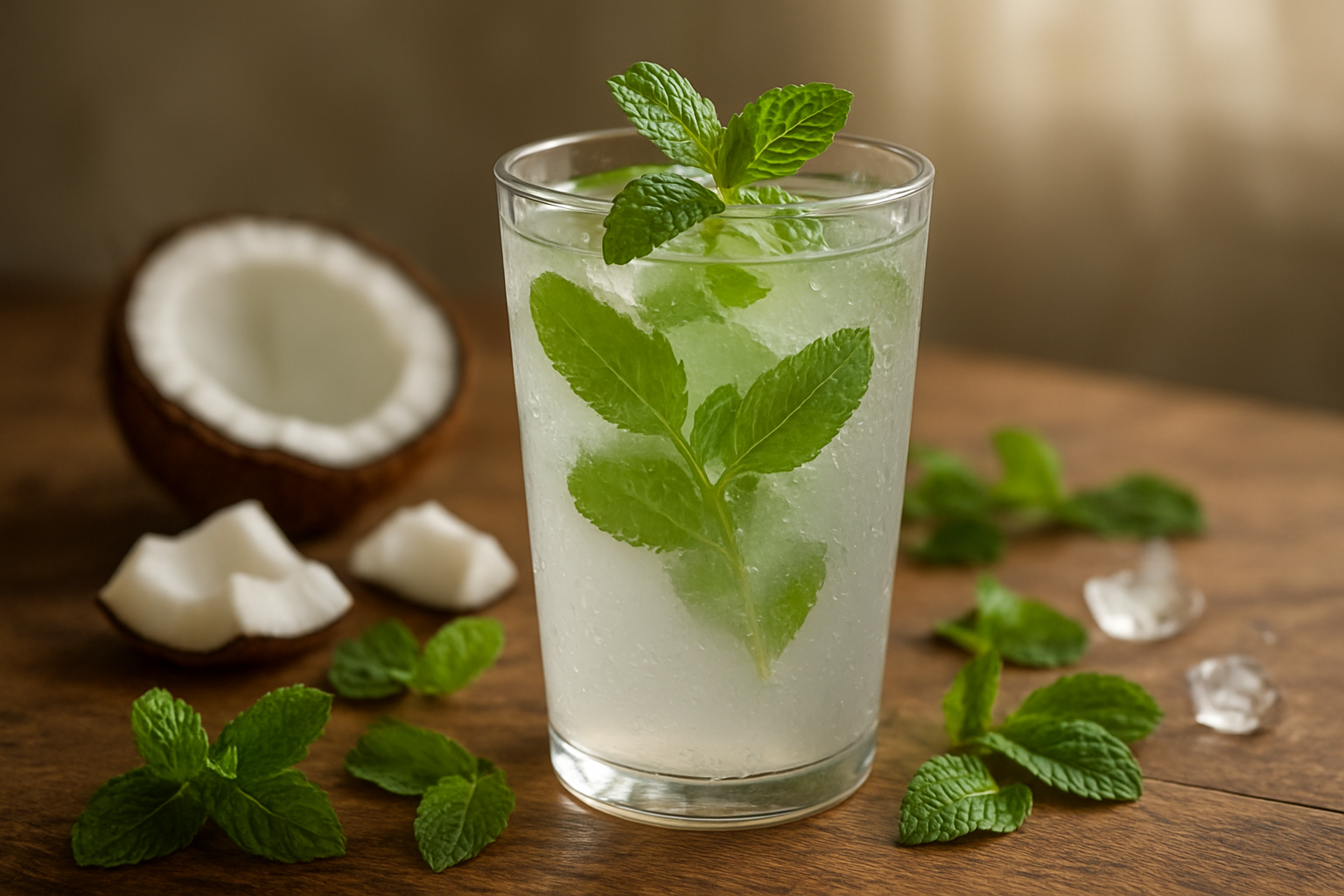
Coconut water stands out as nature’s perfect electrolyte drink, especially valuable during Ramadan fasting when your body needs optimal hydration. This clear liquid contains natural potassium, sodium, and magnesium – the same electrolytes found in expensive sports drinks but without artificial additives or excess sugar.
During fasting hours, your body gradually depletes its mineral stores. Coconut water helps restore this balance quickly when you break your fast, preventing the fatigue and headaches that often come with dehydration. The natural sugars provide gentle energy without causing blood sugar spikes, making it easier to transition back to eating.
What makes coconut water particularly beneficial is its isotonic properties – it has a similar electrolyte composition to human plasma. This means your body absorbs it faster than regular water, delivering hydration where it’s needed most. The potassium content supports heart function and muscle recovery, while magnesium helps reduce muscle cramps that can occur during extended fasting periods.
Step-by-step preparation method
Creating the perfect coconut water mint cooler takes just minutes but delivers maximum refreshment. Start with 2 cups of fresh coconut water – avoid the overly processed varieties and opt for brands with minimal ingredients or crack fresh coconuts if available.
Ingredients needed:
- 2 cups coconut water
- 15-20 fresh mint leaves
- 1 tablespoon fresh lime juice
- 1 teaspoon honey or agave (optional)
- Ice cubes
- Pinch of sea salt
Begin by gently muddling the mint leaves in the bottom of a pitcher. Don’t crush them completely – you want to release the oils without creating a bitter taste. Add the coconut water and lime juice, stirring gently to combine. Taste and add honey if you prefer a touch of sweetness, though coconut water’s natural sweetness often suffices.
Add a tiny pinch of sea salt – this might sound odd, but it enhances all the other flavors while boosting the drink’s hydrating properties. Fill glasses with ice, pour the mixture over, and give it a final gentle stir. The drink is best served immediately while the mint flavor is bright and vibrant.
Flavor variations using different herbs
Mint creates a classic combination, but experimenting with different herbs transforms this basic recipe into exciting new drinks. Fresh basil brings an Italian-inspired twist with its slightly peppery and sweet notes. Use about 10-12 basil leaves following the same muddling technique.
Cilantro might sound unconventional, but it creates a surprisingly refreshing drink with a bright, citrusy edge. This variation pairs beautifully with a splash of fresh grapefruit juice. Use half the amount of cilantro compared to mint, as its flavor is more intense.
Rosemary offers an elegant, pine-like aroma that works wonderfully with a hint of fresh lemon. Muddle just 2-3 rosemary sprigs gently to avoid overpowering the delicate coconut water. This variation feels sophisticated and works well for special occasions.
Herb combination ideas:
- Mint + basil for complexity
- Cilantro + lime + jalapeño slice for heat
- Rosemary + lemon for Mediterranean flair
- Lavender + honey for floral sweetness (use sparingly)
Best serving suggestions and garnishes
Presentation elevates this simple drink into something special. Serve in tall glasses filled with crushed ice rather than regular cubes – crushed ice chills the drink faster and creates a more appealing texture. Clear glasses show off the drink’s natural clarity and floating herbs.
Fresh herb sprigs make the obvious garnish choice, but consider these upgrades: thread mint leaves onto cocktail picks, create herb ice cubes by freezing small herb pieces in water, or rim glasses with lime juice and coconut flakes for tropical appeal.
For Ramadan gatherings, prepare large pitchers ahead of time but add ice only when serving to prevent dilution. Small bowls of additional herbs, lime wedges, and honey allow guests to customize their drinks.
Timing matters with herb-infused drinks. The flavor peaks within the first hour after preparation, so plan accordingly for larger gatherings. Keep extra herbs on hand for refreshing the pitcher if needed. The drink pairs beautifully with dates, nuts, and light appetizers typically enjoyed during iftar.
Rose Lemonade – A Floral Twist on the Classic
Why rose water elevates traditional lemonade
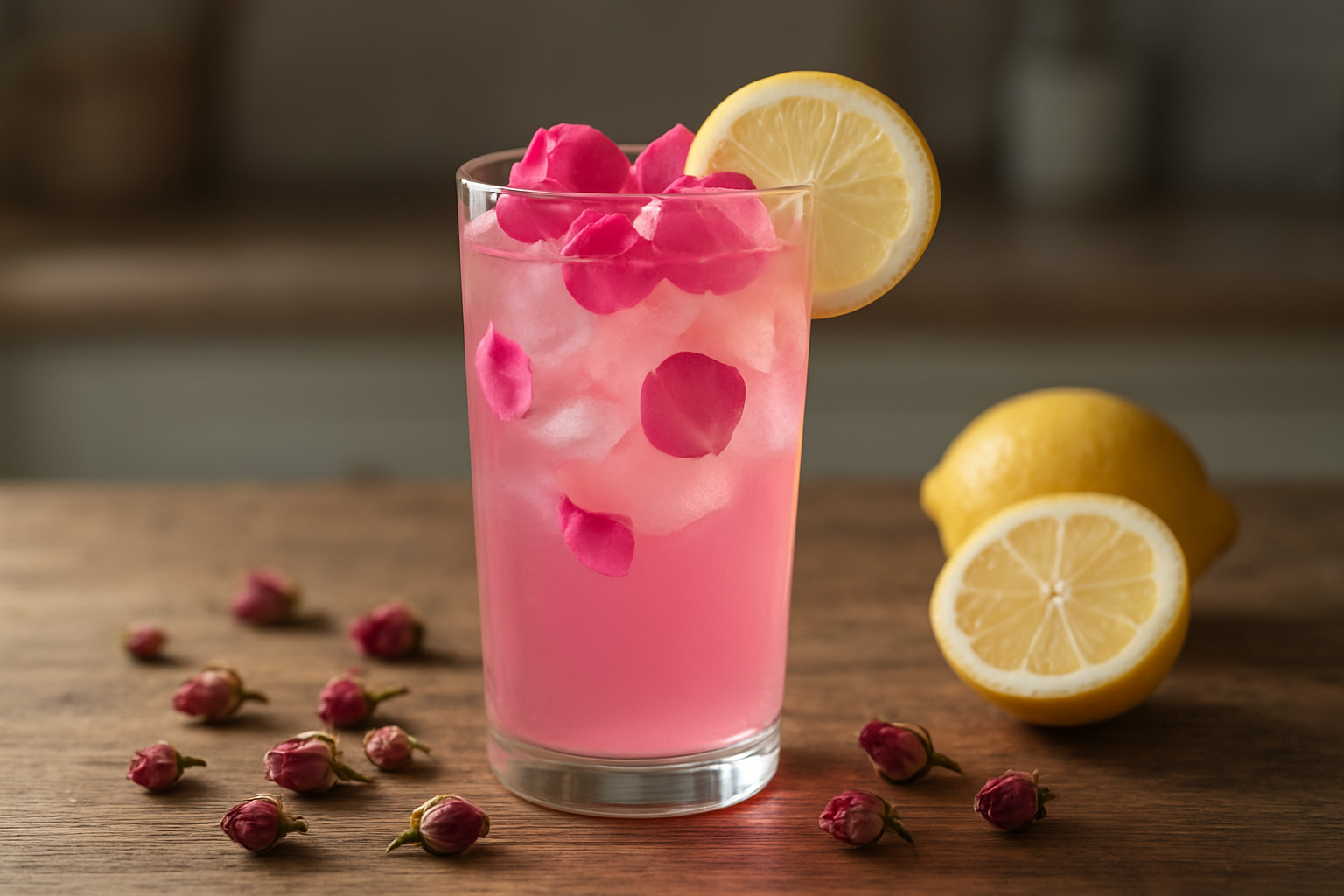
Rose water transforms ordinary lemonade into something magical. This fragrant ingredient brings a delicate floral note that dances perfectly with the tartness of fresh lemons, creating a sophisticated drink that feels both refreshing and luxurious. The subtle perfume of roses adds depth without overwhelming the palate, making each sip feel like a gentle breeze through a garden.
The beauty of rose water lies in its ability to create complexity while maintaining simplicity. Unlike artificial flavors that can taste harsh or synthetic, rose water offers a natural elegance that’s been cherished in Middle Eastern and Mediterranean cuisines for centuries. During Ramadan, this drink becomes especially meaningful as it provides both hydration and a touch of celebration for iftar gatherings.
Simple recipe with customizable sweetness levels
Creating the perfect rose lemonade starts with balancing four key components: fresh lemon juice, rose water, sweetener, and cold water. Here’s a foolproof recipe that serves four people:
Base Recipe:
- 1 cup fresh lemon juice (about 6-8 lemons)
- 4 cups cold water
- 1-2 teaspoons rose water
- Sweetener to taste
- Ice cubes
Sweetness Options:
| Sweetener Type | Amount | Best For |
|---|---|---|
| Simple syrup | 1/2 to 3/4 cup | Smooth mixing, professional taste |
| Honey | 1/3 to 1/2 cup | Natural sweetness, floral complement |
| Sugar | 1/2 to 2/3 cup | Traditional approach, budget-friendly |
| Agave nectar | 1/4 to 1/2 cup | Vegan option, mild flavor |
Start with less sweetener and gradually add more to match your preference. Remember that rose water can vary in intensity between brands, so begin with one teaspoon and adjust accordingly.
Tips for achieving the perfect color and aroma
The visual appeal of rose lemonade matters just as much as its taste. A few drops of natural pink food coloring or a splash of cranberry juice can create that Instagram-worthy blush color that makes the drink irresistible. However, some rose waters naturally provide a subtle pink tint, so check your mixture first.
For the best aroma, add rose water gradually while stirring. The scent should be present but not overpowering – you want people to notice it as they bring the glass to their lips, not smell it from across the room. Quality matters here; food-grade rose water from Middle Eastern grocery stores often provides superior flavor compared to cosmetic-grade versions.
Chill all ingredients beforehand, including your serving glasses. This prevents dilution and keeps the drink crisp. Fresh mint sprigs or dried rose petals make beautiful garnishes that enhance both the visual appeal and aromatic experience. Serve immediately over ice for the most refreshing experience.
Watermelon Basil Agua Fresca – Nature’s Cooling Elixir
Nutritional advantages of watermelon for rehydration
Watermelon stands out as one of nature’s most effective rehydration tools, containing approximately 92% water along with essential electrolytes that your body craves during hot summer days or after breaking a fast. This vibrant red fruit packs a powerful punch of potassium, which helps regulate fluid balance and prevents muscle cramps. The natural sugars in watermelon – primarily fructose and glucose – provide quick energy without causing dramatic blood sugar spikes.
What makes watermelon particularly special for rehydration is its unique combination of citrulline, an amino acid that supports healthy blood flow and may help reduce muscle soreness. The fruit also delivers vitamin C for immune support and lycopene, a potent antioxidant that gives watermelon its beautiful red color and helps protect cells from oxidative stress.
Easy blending technique for smooth consistency
Creating the perfect watermelon basil agua fresca requires a simple yet precise blending approach. Start by cutting your watermelon into chunks and removing as many seeds as possible – though a few won’t hurt the final result. Add the watermelon pieces to your blender first, followed by fresh basil leaves. The key is using the right ratio: roughly 4 cups of cubed watermelon to 8-10 fresh basil leaves.
Blend on high speed for 30-45 seconds until completely smooth. For an ultra-silky texture, strain the mixture through a fine-mesh sieve to remove any remaining pulp or basil particles. Add a squeeze of fresh lime juice and a pinch of salt to enhance the flavors. If you prefer a slightly sweetened version, honey or agave nectar work beautifully – start with just a tablespoon and adjust to taste.
Creative serving ideas for special occasions
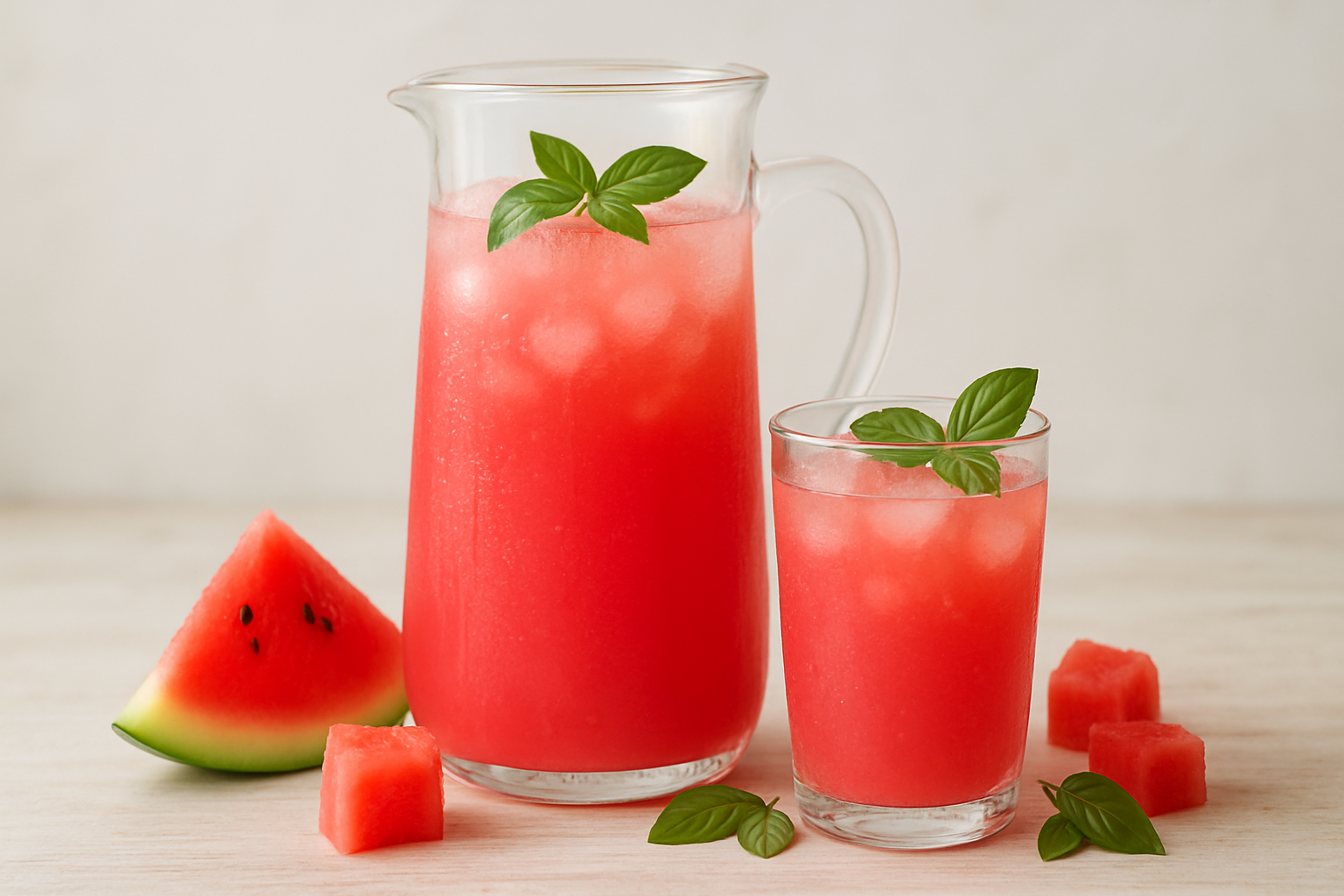
Transform your watermelon basil agua fresca into an Instagram-worthy centerpiece with these creative presentation ideas. Serve in mason jars garnished with watermelon cubes on skewers and fresh basil sprigs for casual gatherings. For more elegant occasions, rim glasses with lime juice and coarse sea salt, then pour the agua fresca over ice and top with sparkling water for a sophisticated fizzy version.
Create a self-serve station by setting up a large glass dispenser filled with the agua fresca, surrounded by small bowls of mix-ins like diced cucumber, mint leaves, or lime wedges. For kids’ parties, freeze the mixture in popsicle molds with small basil leaves visible inside for a fun frozen treat.
During Ramadan, consider serving this refreshing drink in traditional glasses alongside dates and other iftar foods. The natural sweetness and cooling properties make it an ideal choice for breaking the fast.
Storage tips to maintain freshness
Proper storage ensures your watermelon basil agua fresca maintains its vibrant flavor and nutritional benefits for days. Store the finished drink in airtight glass containers in the refrigerator for up to 3 days. Glass works better than plastic as it doesn’t absorb flavors or odors.
The natural separation that occurs is completely normal – simply stir or shake before serving. For longer storage, freeze the mixture in ice cube trays and blend the frozen cubes with a splash of water whenever you want a fresh glass. This method preserves the drink for up to one month while maintaining most of its nutritional value.
Never leave agua fresca at room temperature for more than 2 hours, as the natural sugars can promote bacterial growth. If making large batches for parties, keep the container nested in ice to maintain the perfect serving temperature while preserving food safety.
Iced Hibiscus Tea with Lime – Antioxidant-Rich Refreshment
Health benefits of hibiscus for digestive wellness
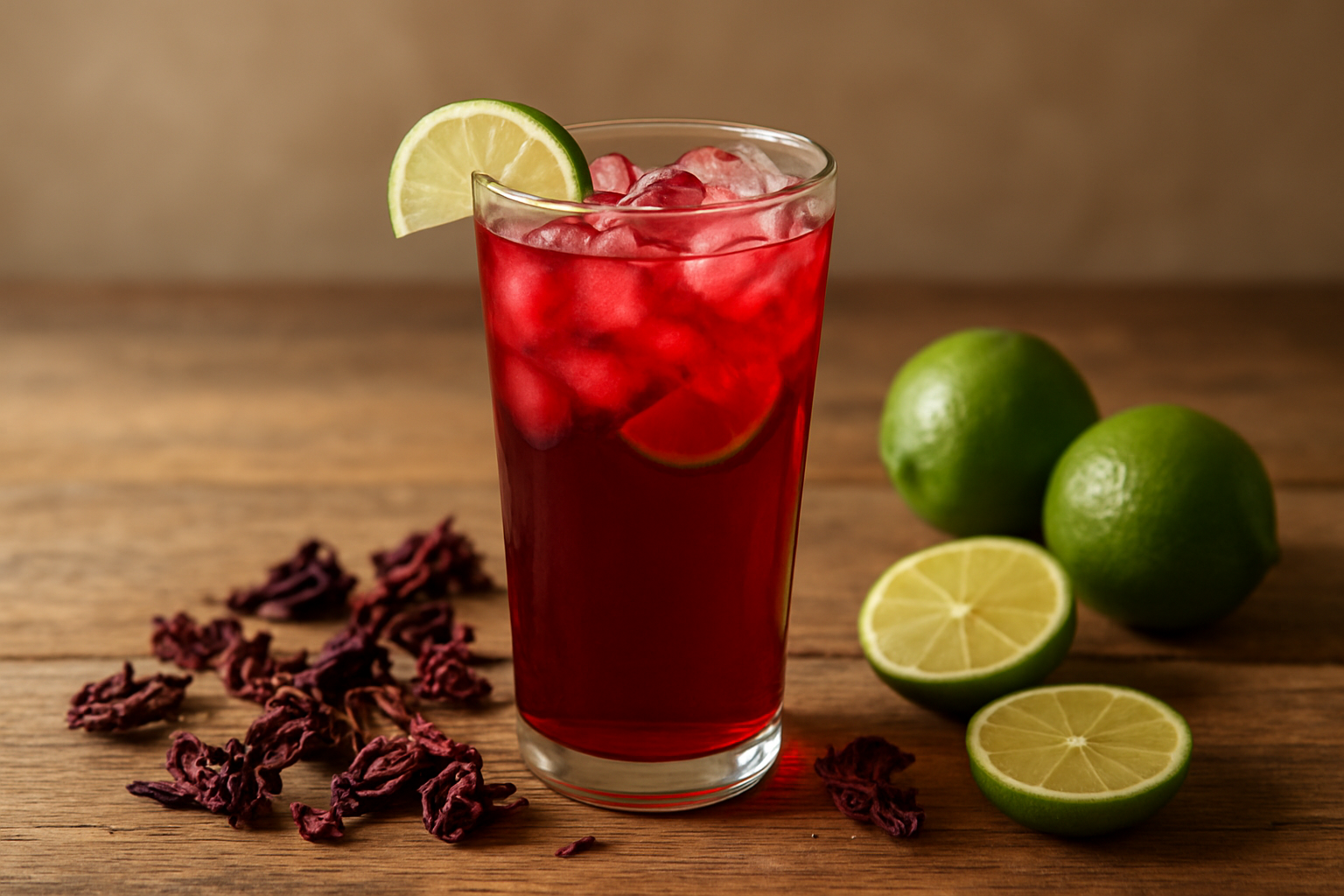
Hibiscus flowers pack a powerful punch when it comes to supporting your digestive system. This vibrant crimson bloom contains high levels of vitamin C, anthocyanins, and organic acids that work together to create a gentle yet effective digestive aid. The natural acids in hibiscus help stimulate digestive enzyme production, making it easier for your body to break down food after a meal.
Regular hibiscus tea consumption can help reduce bloating and support healthy gut bacteria. The flower’s anti-inflammatory properties soothe the digestive tract, which is especially beneficial during Ramadan when eating patterns change dramatically. Studies show that hibiscus can help regulate stomach acid levels, preventing both heartburn and indigestion.
The antioxidants in hibiscus also support liver function, helping your body process toxins more efficiently. This becomes particularly important when you’re adjusting to different meal timing and composition during fasting periods.
Proper steeping method for maximum flavor extraction
Getting the most from your hibiscus flowers requires patience and the right technique. Start with 2 tablespoons of dried hibiscus petals for every cup of water you plan to use. Bring water to a full rolling boil, then pour it over the flowers in a heat-resistant pitcher or teapot.
The key to extracting maximum flavor lies in steeping time and temperature. Let the hibiscus steep for 10-15 minutes for a robust, tart flavor. For a milder taste, reduce steeping time to 7-8 minutes. Cover the container during steeping to prevent essential oils from escaping.
After steeping, strain the liquid through a fine-mesh strainer, pressing the flowers gently to extract remaining liquid. Don’t skip this pressing step – it captures additional flavor compounds and that gorgeous ruby-red color. The concentrated tea base can be stored in the refrigerator for up to 5 days.
For cold brewing, use the same ratio but let flowers steep in room temperature water for 4-6 hours, then refrigerate. This method produces a smoother, less acidic flavor profile.
Balancing tartness with natural sweeteners
Hibiscus tea’s natural tartness can be quite intense, but finding the right balance creates a perfectly refreshing drink. Honey works exceptionally well as a sweetener because its floral notes complement hibiscus beautifully. Add honey while the tea is still warm to help it dissolve completely.
Agave nectar offers another excellent option, providing sweetness without overpowering the hibiscus flavor. Use about 1-2 tablespoons per cup of tea, adjusting to your preference. Maple syrup adds a subtle complexity, while simple syrup gives you complete control over sweetness levels.
For those avoiding added sugars, try muddling fresh berries like strawberries or raspberries directly in the pitcher. The natural fruit sugars provide sweetness while adding complementary flavors. Stevia works well too, but start with just a few drops as it’s much sweeter than other options.
The lime juice in this recipe adds its own tartness, so taste your tea before adding sweeteners. Sometimes the citrus provides enough balance, and you might need less sweetener than expected. Remember, you can always add more sweetness, but you can’t take it away once it’s mixed in.
Cucumber Mint Sparkler – Light and Energizing Fizz
Detoxifying properties of cucumber for cleansing
Cucumbers pack a serious hydration punch with their 95% water content, making them perfect for flushing out toxins naturally. These crisp vegetables contain powerful antioxidants like beta-carotene and flavonoids that help combat inflammation while supporting your body’s natural detox processes. The silica in cucumber skin promotes healthy kidney function, which is exactly what you need during fasting periods when your body works overtime to eliminate waste.
What makes cucumbers really shine is their alkalizing effect on blood pH levels. This helps counteract the acidity that builds up from processed foods and stress, creating an internal environment where your organs can function optimally. The potassium content also supports proper muscle function and helps prevent those dreaded cramps that can hit during long fasting days.
Preparation steps for maximum bubble retention
Start with ice-cold ingredients – this is your secret weapon for maintaining fizz. Chill your sparkling water, cucumber juice, and even your glasses in the freezer for 10 minutes before mixing. The temperature difference helps trap more carbon dioxide bubbles.
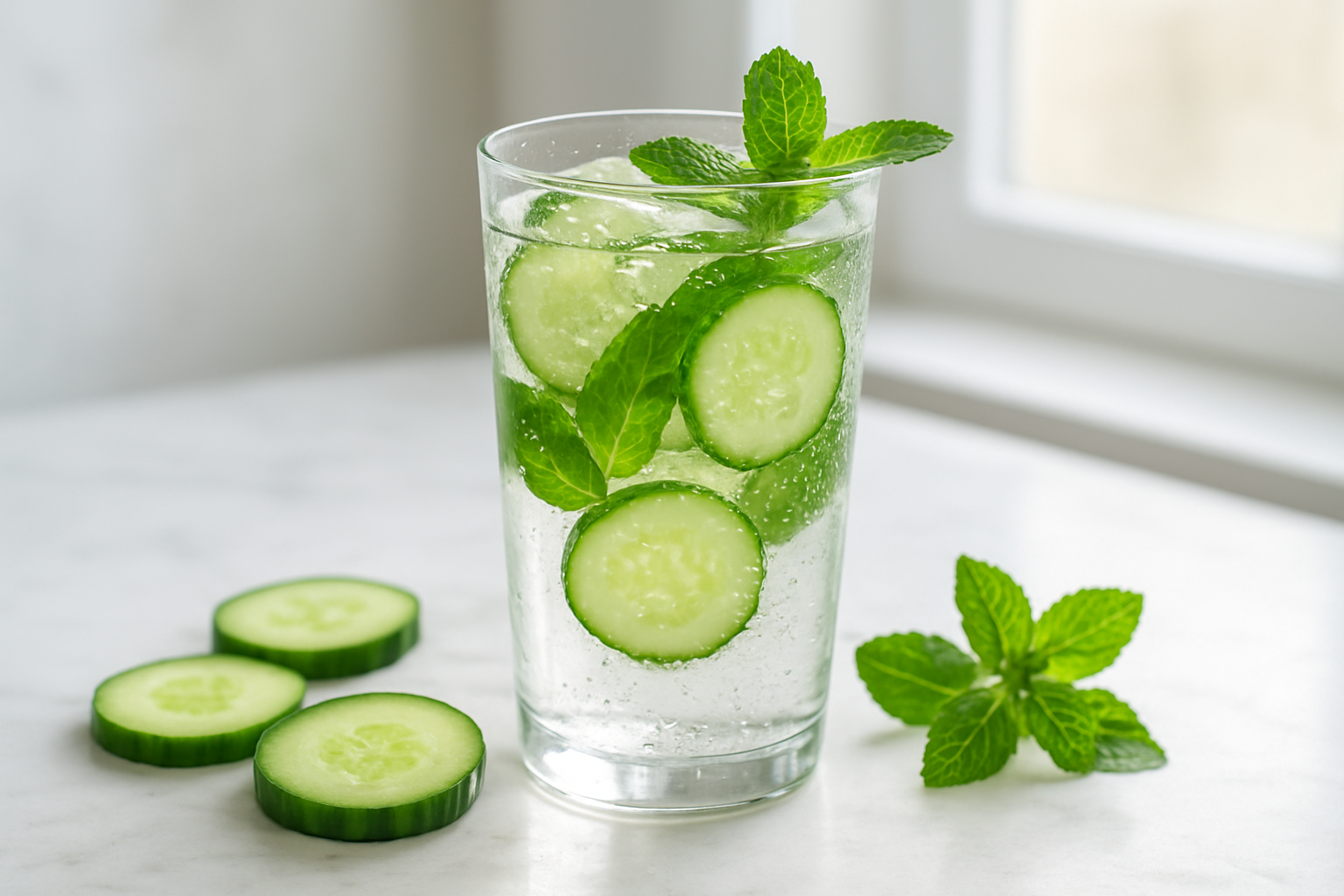
Muddle fresh mint leaves gently at the bottom of your glass using a wooden spoon. Don’t crush them aggressively; you want to release oils without destroying the cell structure. Add your cucumber juice (about 3 ounces per serving) and a squeeze of fresh lime.
Pour sparkling water slowly down the side of the glass at a 45-degree angle. This technique minimizes agitation and preserves carbonation. Top with ice cubes last – adding them too early causes the bubbles to escape faster. For extra staying power, add a pinch of salt to the cucumber juice before mixing.
Mocktail presentation tips for festive gatherings
Transform this simple drink into an Instagram-worthy centerpiece with smart presentation tricks. Rim your glasses with lime juice and dip in a mixture of sugar and dried mint for an elegant touch. Use long cucumber ribbons created with a vegetable peeler as garnish – they look fancy but take seconds to make.
Serve in tall glasses or mason jars with colorful paper straws that match your table setting. Create ice cubes with mint leaves frozen inside for a professional bar look. These special ice cubes slowly release flavor as they melt, keeping your drink interesting from first sip to last.
Set up a DIY garnish station where guests can customize their drinks. Provide small bowls with lime wedges, fresh mint sprigs, cucumber slices, and even edible flowers if you’re feeling fancy. This interactive element turns drink service into entertainment.
Make-ahead strategies for busy schedules
Batch preparation saves precious time during hectic Ramadan schedules. Juice your cucumbers up to 24 hours ahead and store in airtight containers in the fridge. The juice actually tastes better after sitting overnight as flavors meld together.
Pre-muddle mint leaves in ice cube trays with a little water, then freeze. These mint ice cubes eliminate the muddling step when you’re ready to serve. You can also prepare simple cucumber-mint syrup by combining equal parts cucumber juice, water, and sugar with fresh mint, then simmering for 5 minutes.
Store prepped garnishes in separate containers – cucumber ribbons stay crisp when wrapped in damp paper towels, while mint sprigs keep fresh in glasses of water covered with plastic bags. When guests arrive or it’s time to break fast, assembly takes under two minutes per drink.
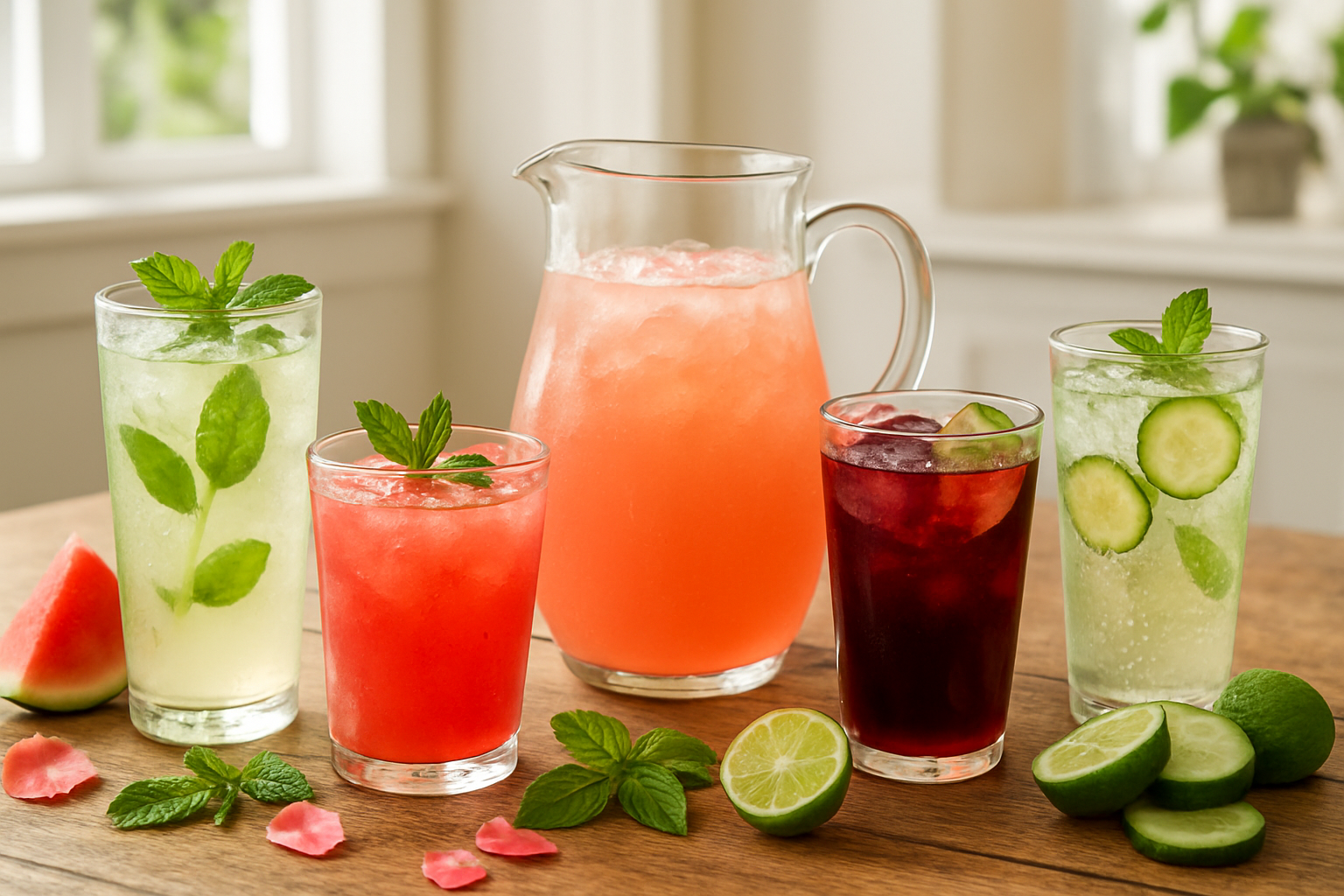
These five homemade drinks offer the perfect way to stay refreshed and hydrated, especially during long fasting hours or any hot day. From the tropical vibes of coconut water mint cooler to the floral elegance of rose lemonade, each recipe brings its own unique flavor profile while keeping you cool and energized. The watermelon basil agua fresca and cucumber mint sparkler provide natural hydration, while the hibiscus tea delivers a powerful antioxidant punch.
Making these drinks at home means you control the ingredients, sugar levels, and freshness while saving money compared to store-bought alternatives. Stock up on the essential ingredients like fresh herbs, citrus fruits, and coconut water, and you’ll always have the makings for a delicious, healthy beverage. Try rotating through these recipes throughout the week to keep your hydration routine exciting and flavorful – your taste buds and your body will thank you.