


When’s the last time a place seriously gave you that smug “I know something you don’t” feeling? Bangladesh hit me like that. Hard.
Most travelers think Bangladesh begins and ends with Cox’s Bazar – that’s exactly what travel influencers want you to believe while they secretly hoard the good stuff.
In this guide, I’m spilling the tea on the top 5 visiting places in Bangladesh that haven’t been Instagram-filtered to death. Places where locals actually outnumber tourists, where your photos won’t look like carbon copies of someone’s highlight reel.
But fair warning: after reading this, you might develop a serious case of wanting to book flights immediately. What’s the most underrated spot? Well, that’s where things get interesting…
Uncovering Bangladesh’s Hidden Gems: Why Venture Beyond Cox’s Bazar
The Overlooked Wonders of a Diverse Country
Cox’s Bazar might hog all the spotlight, but Bangladesh is hiding so much more than just the world’s longest beach. Tucked away in this compact country are misty tea gardens, ancient Buddhist kingdoms, mangrove forests teeming with Bengal tigers, and hill tribes whose cultures remain virtually untouched by mass tourism.
Most travelers make a beeline for Cox’s Bazar, snap their photos, and fly back home thinking they’ve “done” Bangladesh. Big mistake. Huge.
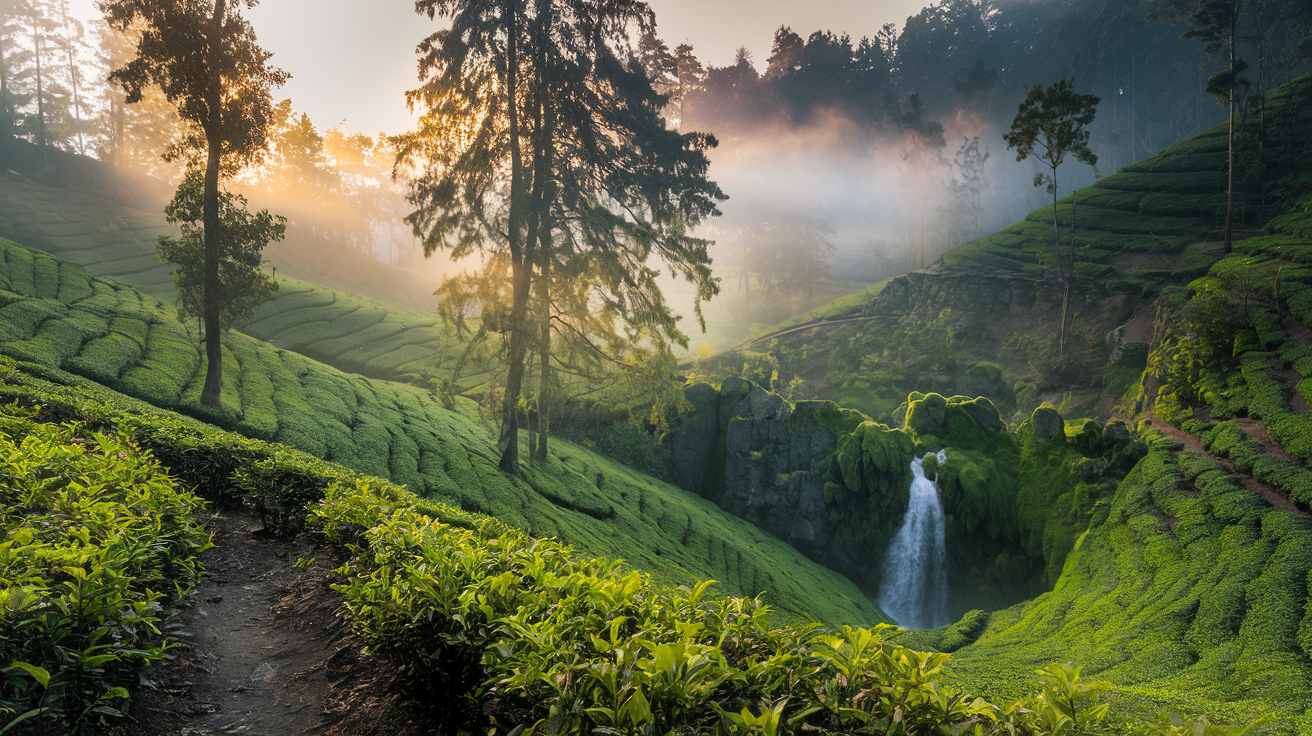
The Sylhet region in the northeast offers rolling hills covered in emerald tea plantations that would give Darjeeling a run for its money. Workers in colorful saris dot the landscape, plucking tea leaves while mist clings to the hills in the early morning. The experience of sipping fresh tea straight from the source? Unmatched.
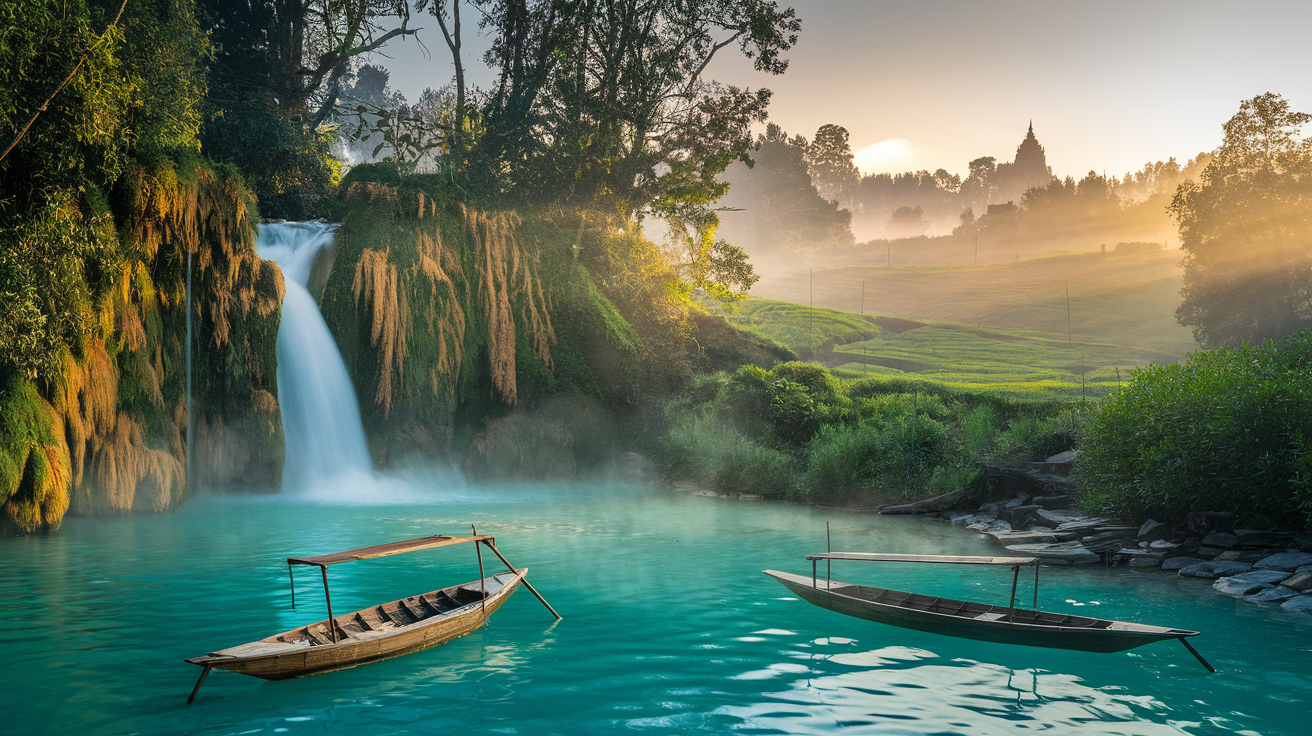
Then there’s Rangamati, with its crystal-clear lake surrounded by lush hills. Local indigenous communities still use traditional wooden boats as their main transportation. You can hop on one yourself and visit villages where bamboo handicrafts are made the same way they have been for centuries.
The ancient city of Mahasthangarh dates back to the 3rd century BCE. While tourists crowd newer historical sites across South Asia, you’ll likely have these fascinating ruins all to yourself. Imagine walking through 2,300-year-old streets without having to dodge selfie sticks or tour groups.
Why Travel Influencers Keep These Places Secret
Ever notice how travel influencers post the same locations over and over? There’s a reason for that.
These hidden Bangladesh spots lack the infrastructure for mass tourism. Limited hotels, bumpy roads, and sometimes no English signage. For influencers chasing likes and sponsorships, these places are “too difficult” to feature in their perfectly curated feeds.
Another hard truth? Many influencers simply don’t want these places to become the next “Instagram hotspot.” The moment that happens, the authentic experiences disappear, prices skyrocket, and locals get pushed out of their own tourism economy.
Some influencers I’ve spoken with admitted they purposely avoid geotagging certain locations. They’ve seen too many pristine places destroyed by sudden fame. One told me, “Once I posted about a small village in the Chittagong Hill Tracts, and within months, plastic waste started appearing where there had been none before.”
Authentic Experiences Over Tourist Traps
The magic of these hidden Bangladeshi locations is the raw, unfiltered experience they offer.
In Srimangal, locals might invite you for tea in their homes without expecting anything in return. In the Sundarbans, fishermen will show you how they use trained otters to herd fish into their nets – a centuries-old technique you won’t find in any guidebook.
When you venture beyond Cox’s Bazar, you’re not just a tourist anymore – you become a traveler. The difference? Tourists take photos. Travelers take memories.
In these lesser-known spots, you won’t find souvenir shops with mass-produced trinkets or restaurants with English menus. Instead, you’ll eat whatever the family-run eatery is cooking that day. You’ll communicate through gestures and smiles when words fail.
Sylhet’s Mystical Tea Gardens and Hidden Waterfalls
A. Jaflong: Where Mountains Meet Rivers
Ever wondered what happens when the rugged Khasi Hills of India send their pristine waters cascading into Bangladesh? That’s Jaflong for you – raw, unfiltered nature that Instagram filters can’t do justice to.
The Dawki River (called Piyain locally) rushes down from India carrying something special – black stones and boulders that create a surreal landscape. Local stone collectors wade into the crystal-clear waters, using wooden boats and baskets in a centuries-old tradition that’ll make you forget your smartphone exists.
The best time to visit? October to March, when the water’s clearer than my ex’s reasons for leaving. During monsoon, it turns murky, but the surrounding hills draped in mist create a moody backdrop that photographers kill for.
Pro tip: Take a boat ride upstream early morning. The quietness, the mountains reflected in the water, and the chance to watch stone collectors start their day – it’s the Bangladesh most tourists never see.
B. Lalakhal’s Turquoise Waters and Boat Journeys
Think turquoise waters only exist in Thailand or the Maldives? Guess again. Lalakhal’s stretch of the Shari River flaunts a blue-green shade so vibrant you’ll question whether someone secretly poured food coloring into it.
This remote corner near the Indian border remains blissfully uncrowded. Hop on a wooden boat and cruise between the hills of Bangladesh on one side and India on the other. It’s literally a journey between two countries – without passport control.
The color changes with the seasons and time of day. Morning brings a deep turquoise, while afternoon sun transforms it to emerald. The science? Minerals from limestone hills and specific algae create this natural phenomenon.
Stop at one of the riverside restaurants for fresh fish caught minutes ago. The “Baim” fish curry here will ruin regular fish for you forever.
C. Ratargul Swamp Forest: Bangladesh’s Amazon
Floating through a sunken forest isn’t something you expect in Bangladesh, but Ratargul delivers exactly that. This freshwater swamp forest goes underwater during monsoon, creating Bangladesh’s answer to the Amazon.
Wooden boats glide between trees standing knee-deep in water, their canopies forming green tunnels above. The silence is broken only by bizarre bird calls and the occasional splash of fish.
During winter months (November-February), water levels drop enough to explore parts on foot. But the real magic happens after rain when everything’s submerged.
Unlike other attractions, Ratargul remains relatively tourist-free. The locals know its value though – they’ve preserved traditional fishing methods and protect the forest’s biodiversity with fierce dedication.
D. Pristine Tea Estates with Panoramic Views
Bangladesh produces some of the world’s finest teas, but the real treasure isn’t just in your cup – it’s the undulating carpets of green tea bushes stretching to the horizon.
The oldest estates like Malnicherra (established 1854) offer tours where you’ll see everything from plucking to processing. Watch women with nimble fingers select just the top two leaves and a bud – the secret to premium tea.
For the ultimate experience, head to Sylhet’s elevated estates at dawn. The mist hovering over endless rows of tea bushes, workers appearing like ghosts through the fog, and the first light creating shadows across the landscape – it’s poetry without words.
Stay in colonial-era bungalows within the estates, where managers once lived during British rule. Some, like those at Srimangal, maintain their heritage character while offering modern comforts.
The Ancient Marvel of Paharpur Buddhist Monastery
UNESCO World Heritage Site Without the Crowds
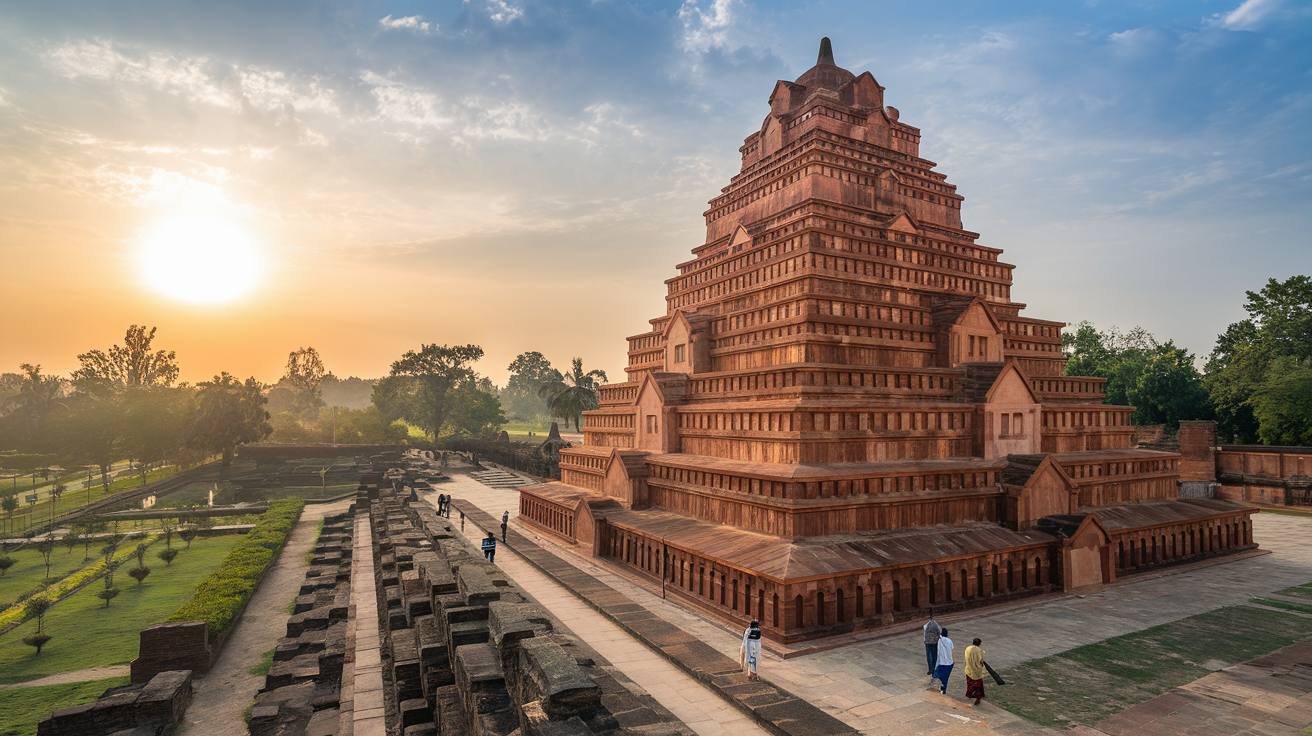
Talk about hidden gems! While tourists flock to Cox’s Bazar in droves, the Paharpur Buddhist Monastery (also known as Somapura Mahavihara) sits quietly in Naogaon district, practically begging for your attention. This UNESCO World Heritage Site flies completely under most travelers’ radar, which means you’ll have this magnificent place almost all to yourself.
I visited on a Tuesday morning last April and counted maybe 12 other visitors in the entire complex. Compare that to the hundreds cramming into more famous sites, and you’ll understand why this place feels like your own private discovery.
The lack of crowds isn’t because it’s not worth seeing – quite the opposite. Locals call it “the jewel of Bangladesh’s ancient history,” and they’re not exaggerating. You get to wander freely, take unobstructed photos, and actually hear the whispers of history without someone’s selfie stick poking you in the back.
Architectural Brilliance Dating Back to the 8th Century
The monastery isn’t just old – it’s ancient, dating back to the late 8th century during the Pala Dynasty. What makes this place mind-blowing is its massive cruciform structure. The central temple rises 70 feet high with terraced walls that recede as they climb toward the sky.
Walking around, you’ll notice intricate terracotta plaques adorning the walls – over 2,000 of them still survive. Each one tells stories from Buddhist and Hindu mythology, frozen in clay for over a millennium.
The monastery’s design was revolutionary for its time. Picture a massive square, 900 feet on each side, with the main temple in the center and 177 monk cells lining the perimeter walls. This wasn’t just a building – it was an entire community, a Buddhist university that attracted scholars from across Asia.
The precision of the brickwork will leave you scratching your head. How did they create such perfect alignments without modern tools? Some of the original plaster work still clings to sections of the walls, hinting at how colorful and vibrant this place once was.
Spiritual Significance and Archaeological Treasures
Paharpur wasn’t just any monastery – it was the most important Buddhist center of learning in the Indian Subcontinent during its heyday. Think of it as the Harvard of ancient Buddhist education.
The monastery served as both a sacred space and a center for intellectual pursuit. Monks studied philosophy, logic, grammar, and astronomy here, creating a knowledge hub that influenced Buddhist thought across Asia.
What’s truly fascinating is how the site shows religious harmony through its architecture. While primarily Buddhist, you’ll spot Hindu influences in many decorative elements. The terracotta plaques feature not only Buddhist tales but also stories from Hindu epics and everyday life scenes.
Archaeological excavations have unearthed incredible treasures here – bronze and stone sculptures, coins, pottery, and even manuscripts. Many of these findings are displayed in the small but fascinating on-site museum, which gives crucial context to what you’re seeing.
One particularly significant discovery was a copper plate that confirmed the monastery’s royal patronage. Kings of the Pala Dynasty not only built this massive complex but provided ongoing support, showing how vital Buddhism was to the region’s cultural identity.
Photography Opportunities in Bangladesh’s Largest Buddhist Monastery
Photographers, grab your cameras and thank me later. Paharpur offers some of the most unique architectural shots you’ll ever capture in Bangladesh.
Morning light hits the eastern terracotta plaques perfectly around 7-9 AM, bringing out every intricate detail in the ancient carvings. The warm glow against the reddish brick creates a magical effect that’s worth setting your alarm for.
For dramatic shadows and depth, visit late afternoon when the sun casts long shadows across the central courtyard. The play of light and dark on the monastery’s unique geometric shapes makes for compelling compositions.
The elevated perspective from the upper terraces gives you a bird’s-eye view of the entire complex. From here, you can capture the symmetrical layout that made this monastery an architectural marvel of its time.
Don’t miss the reflection shots if you visit during or just after monsoon season (June to September). Small puddles form around the site, creating mirror images of the ancient structures.
Best Times to Visit for Cultural Festivals
While Paharpur is impressive year-round, timing your visit with Buddhist festivals transforms the experience entirely.
Buddha Purnima (May) marks Buddha’s birth, enlightenment, and death. The monastery comes alive with hundreds of Buddhist pilgrims in white robes, offering flowers and incense. The chanting and meditation ceremonies create an atmosphere that connects directly to the site’s original purpose.
During Probarona Purnima (October/November), the monastery hosts a festival marking the end of the Buddhist lent. Monks release sky lanterns in the evening, creating a magical spectacle against the ancient ruins.
The winter months (November to February) offer the most pleasant weather for exploring. The clear blue skies provide perfect contrast to the reddish bricks, and temperatures hover comfortably between a mild 60°F and 75°F.
Avoid the extreme summer heat (March to May) when temperatures can soar above 100°F, making exploration uncomfortable. If you do visit then, come early morning or late afternoon, and bring plenty of water.
Sundarbans Mangrove Forest: Beyond the Traditional Tours
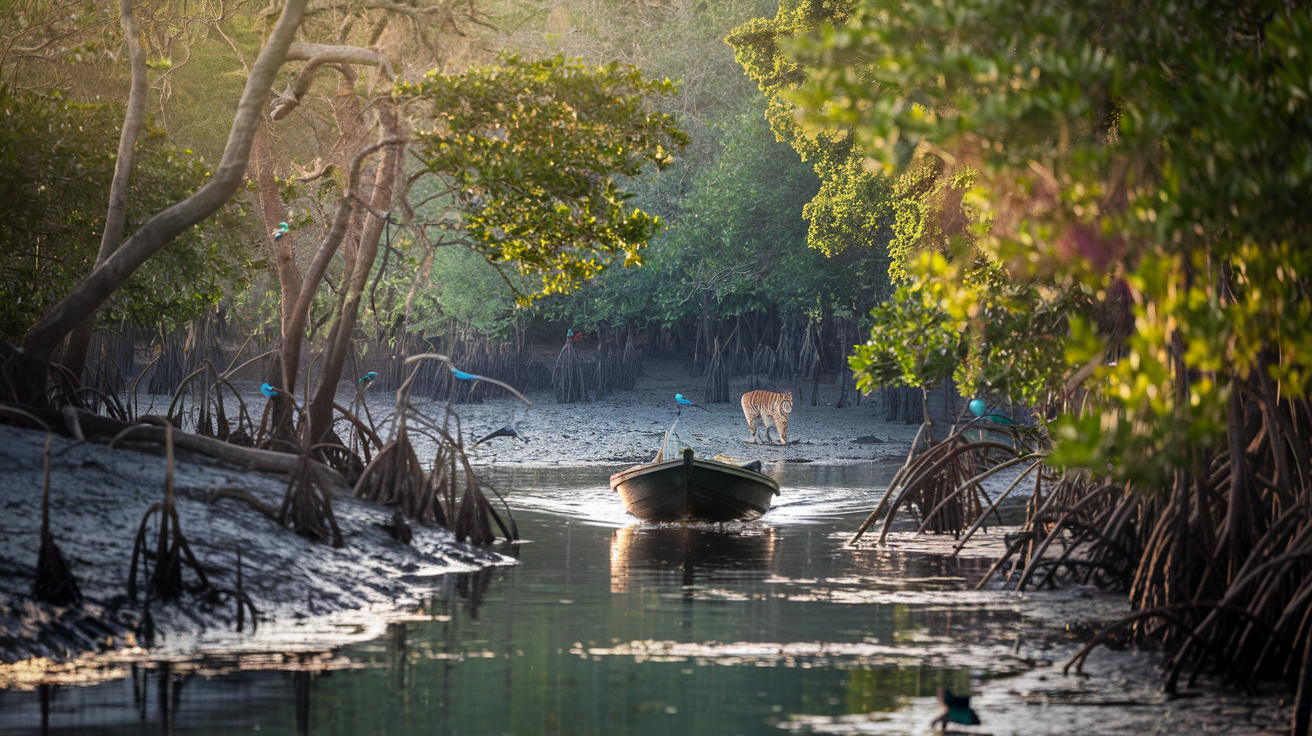
Secret Pathways Through the World’s Largest Mangrove Forest
The typical Sundarbans tour packages barely scratch the surface of what this magical ecosystem offers. Truth bomb: most tourists only ever see about 5% of the actual forest.
I discovered this the hard way after my third visit, when a local guide named Karim finally trusted me enough to whisper, “You haven’t seen the real Sundarbans yet.” He wasn’t wrong.
The secret network of narrow water channels (locally called “khals”) that weave through the heart of the forest create natural pathways that most commercial boats can’t access. These hidden waterways reveal a completely different forest – one where the canopy creates a green tunnel overhead and the silence is broken only by the calls of hornbills and kingfishers.
Want in on the secret? Look for local guides in Mongla or Khulna who operate smaller wooden boats. Ask specifically for the “inner forest experience.” It’ll cost a bit more, but you’ll get access to places like Kotka Beach and Kachikhali – areas where the forest meets the Bay of Bengal in a stunning display that Instagram filters couldn’t improve if they tried.
The best part? You might be the only tourist for miles around.
Sustainable Wildlife Watching: Royal Bengal Tigers and More
Everyone wants to see the famous Royal Bengal Tigers, but here’s what travel influencers won’t tell you: obsessing over tiger sightings is actually the worst way to experience the Sundarbans wildlife.
The real magic happens when you stop hunting for that perfect tiger shot and start noticing everything else. The Sundarbans houses over 300 bird species, crocodiles, spotted deer, wild boars, and several monkey species that are far more likely to make an appearance.
My guide showed me how to spot tiger paw prints in the mud during low tide – sometimes just hours old. That’ll get your heart racing more than any distant tiger sighting from a tourist boat ever could.
For wildlife enthusiasts, arrange an overnight stay at one of the forest watchtowers like Harbaria or Katka. Dawn and dusk offer incredible wildlife activity, when most day-trippers are long gone. These watchtowers operate on solar power and collect rainwater, minimizing environmental impact.
Local Fishing Villages and Cultural Immersion
The real heartbeat of the Sundarbans isn’t just in its wildlife but in the resilient communities that have adapted to life on its fringes.
The honey collectors (“Mawalis”) and fishermen (“Jele”) who brave the forest have centuries of knowledge that no wildlife documentary can capture. In villages like Dublar Char and Kokilmoni, you can witness traditional fishing methods and join a honey-collecting expedition if you visit between April and June.
In these communities, you’ll learn about the “Bonbibi” cult – a fascinating blend of Hindu and Muslim beliefs where both religions worship the same forest goddess for protection against tigers. The locals perform Bonbibi Pala (traditional plays) that tell stories of human-wildlife coexistence that predate modern conservation efforts by centuries.
Stay with a local family instead of on a tourist boat, and you’ll experience the unique cuisine of the region – fish marinated in forest honey, crabs cooked in banana leaves, and vegetables you won’t find anywhere else in Bangladesh.
The Sundarbans isn’t just a forest – it’s a way of life that remains blissfully untouched by the outside world. At least for now.
Rangamati and Bandarban: The Hill Districts of Serenity
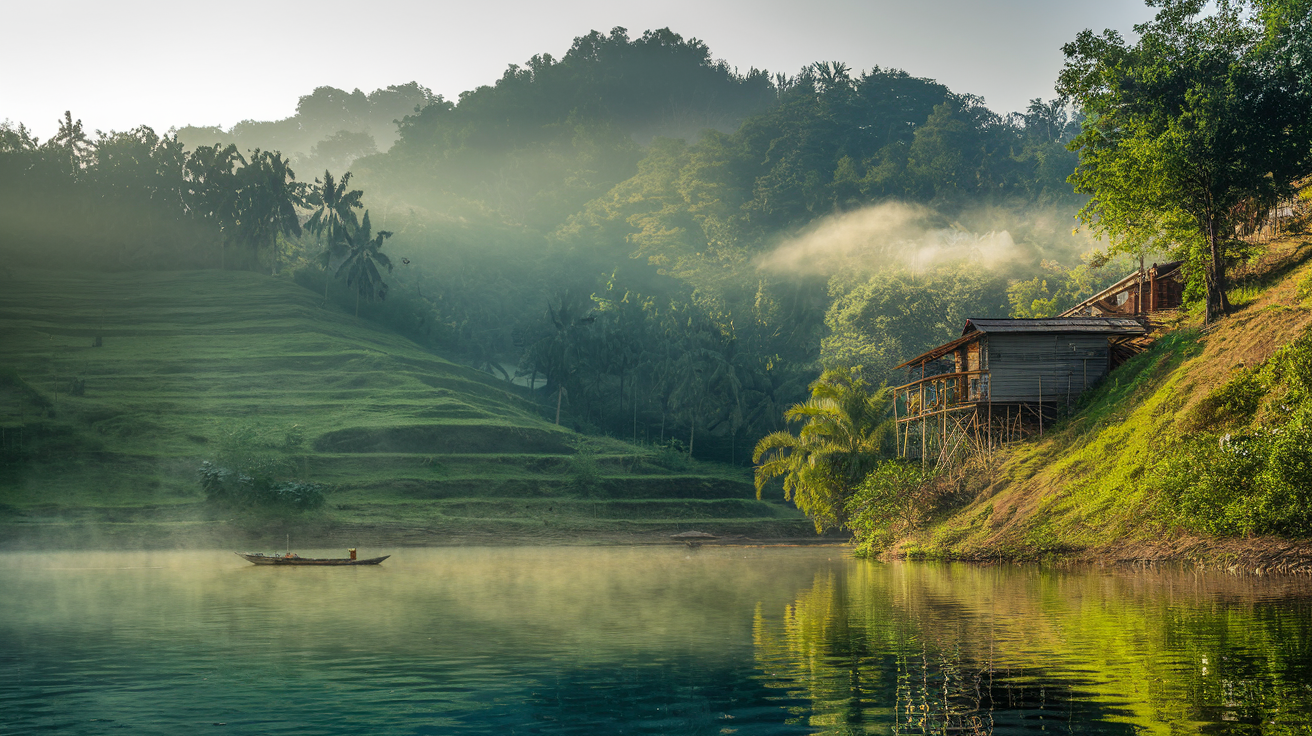
Kaptai Lake’s Emerald Waters and Island Hopping
You’ve probably seen Cox’s Bazar plastered all over Instagram. But Kaptai Lake? This hidden gem in Rangamati is what travel dreams are made of.
I stumbled upon this emerald paradise last summer and couldn’t believe my eyes. The lake stretches across 11,000 hectares, with water so clear you can sometimes see right through to the bottom. Created in the 1960s when the Karnaphuli River was dammed, it’s now Bangladesh’s largest man-made lake.
The real magic happens when you rent a small boat from Rangamati town. For about 3000-4000 taka (depending on your haggling skills), you get a full day to explore the countless islands dotting the lake. Shuvolong Falls is the crowd-pleaser, where cascading water meets the lake, creating a perfect swimming spot during monsoon season.
But skip the tourist traps and head to Peda Ting Ting Island instead. The local Chakma community there welcomes visitors with genuine smiles rather than rehearsed photo ops. They’ll show you how they fish using traditional techniques that have remained unchanged for generations.
Indigenous Tribal Communities and Their Unique Traditions
The Chittagong Hill Tracts aren’t just about pretty views. They’re home to over 13 indigenous communities, each with their own language, customs, and incredible craftsmanship.
The Marma, Chakma, and Tripura people have called these hills home for centuries. Unlike the rehearsed cultural shows you might find in more touristy areas, here you can experience authentic daily life.
I spent three days with a Marma family in Bandarban, and it changed my entire perspective on Bangladesh. They taught me to weave traditional textiles using backstrap looms – a skill passed down through generations. Their geometric patterns tell stories of mountains, rivers, and ancient myths.
The Bawm community’s bamboo dance is something special too. Performers hop between moving bamboo poles without missing a beat – I tried it and failed miserably to everyone’s amusement.
What struck me most was their sustainable lifestyle. Nothing goes to waste. From bamboo houses built without a single nail to natural medicines foraged from the forest, these communities live in remarkable harmony with the land.
Hiking Trails with Breathtaking Mountain Vistas
Forget those overcrowded hiking trails near Dhaka. Bandarban offers treks that’ll make your jaw drop without the Instagram crowds.
The trek to Keokradong (the second-highest peak in Bangladesh) takes you through villages so remote they don’t appear on Google Maps. The three-day journey passes through dense forests, bamboo bridges, and hillside farms where you’ll spot locals growing everything from pineapples to coffee.
For something less intense but equally rewarding, try the day hike to Nilgiri. At 2,400 feet above sea level, this plateau offers panoramic views of rolling hills that disappear into the horizon. On clear mornings, the sunrise here is worth every drop of sweat it takes to reach the top.
Boga Lake: The Mystical Highland Water Body
Deep in the Bandarban hills lies Boga Lake – a place shrouded in local legends and natural beauty.
At 1,246 feet above sea level, this oval-shaped lake feels like it belongs in Nepal rather than Bangladesh. Local Marma people believe a dragon sleeps beneath its surface, and honestly, standing on its shores at dawn with mist rising from the water, I almost believed it too.
Getting here isn’t easy – you’ll need to hire a local guide and trek for about four hours from Ruma Bazaar. The path winds through forests where wild orchids cling to ancient trees and monkeys swing overhead.
The lake’s water changes color throughout the day – from deep blue to emerald green – due to its unusual mineral composition. Spend the night in a basic hillside cottage run by local families and fall asleep to sounds of the forest.
Planning Your Off-the-Beaten-Path Bangladesh Adventure
Best Seasons to Visit These Hidden Locations
Bangladesh’s climate throws you a plot twist with each season. The secret? Timing is everything when exploring these hidden gems.
Winter (November to February) is hands down the perfect time to discover Bangladesh’s off-the-radar spots. The weather’s dry, temperatures hover between 15-25°C, and you’ll catch places like Ratargul Swamp Forest in its mystical morning mist. Plus, winter festivals in remote villages give you a front-row seat to authentic local culture.
Monsoon (June to September) might sound like a no-go, but hear me out – this is when Bangladesh transforms. The waterfalls in Remakri roar to life, Tanguar Haor becomes a water wonderland, and the countryside turns impossibly green. Pack a good raincoat and waterproof bags, and you’ll experience these places at their dramatic best.
Spring (March to May) brings mild temperatures and blooming flowers to places like the Lalakhal river region, but humidity starts climbing. Fall (October) offers a sweet spot with receding waters and lush landscapes.
Avoid: Summer months (April-May) can be brutally hot in the lowlands, though hill tracts remain cooler.
Transportation Tips and Local Guides
Getting to Bangladesh’s hidden treasures isn’t always Instagram-pretty, but that’s part of the adventure.
For reaching remote areas like the Chittagong Hill Tracts, you’ll need a combination approach:
- Start with buses or trains to regional hubs
- Switch to CNGs (auto-rickshaws) or local jeeps for the final stretches
- Consider hiring a boat for water-locked gems like Tanguar Haor
Finding a good local guide changes everything. Not just for navigation, but for unlocking stories and spots tourists never see. Connect with guides through:
- Facebook groups like “Bangladesh Backpackers”
- Local tourism offices in district towns
- Eco-tourism operators like “Journey Plus”
Many remote areas require permits (especially hill tracts), which guides can help arrange. Budget around 1500-2500 taka ($15-25) daily for a quality guide.
Pro tip: Download maps.me for offline navigation – Google Maps coverage gets spotty in remote Bangladesh.
Accommodation Options from Eco-Lodges to Homestays
Forget luxury chains – Bangladesh’s hidden spots offer something far more authentic.
Homestays are your golden ticket to truly understanding these places. In areas like Sreemangal’s tea gardens or tribal villages in Bandarban, families welcome travelers for 1000-2000 taka per night ($10-20). You’ll get home-cooked meals, cultural immersion, and connections money can’t buy.
For the eco-conscious traveler, a handful of eco-lodges have sprung up:
- Nishorgo Eco Cottages near Lawachara Forest
- Hill View Resort in remote Sajek Valley
- Floating cottages at Baikka Beel
Government rest houses (Dak Bungalows) offer basic but characterful accommodations in many remote districts. Dating back to British colonial times, they’re typically 1500-2500 taka per night but require booking through district offices.
Many hidden areas have no formal accommodation. Come prepared with camping gear or connect with local NGOs who can arrange community stays.
Respectful Tourism Practices in Culturally Sensitive Areas
Bangladesh’s hidden gems have stayed pristine partly because they’re home to communities with distinct cultural practices. Respecting these isn’t optional—it’s essential.
In tribal areas of the Chittagong Hill Tracts:
- Always ask permission before photographing people
- Dress modestly (covering shoulders and knees)
- Remove shoes when entering homes or religious sites
- Accept food or tea when offered—refusing can be considered rude
Sacred sites require special sensitivity. At ancient Buddhist temples in Mainamati or village mosques, observe without interrupting prayers and follow local cues about appropriate behavior.
Environmental respect matters too. Many of these areas have fragile ecosystems:
- Carry out all trash (no disposal facilities exist in remote areas)
- Use biodegradable soaps near water sources
- Stick to established paths in forest areas
The communities in these regions often face economic challenges. Support local economies by:
- Buying handicrafts directly from artisans
- Using local guides and services
- Participating in community-based tourism initiatives
Photography Tips for Capturing Bangladesh’s Hidden Beauty
Bangladesh’s secret spots offer photography gold, but they require different techniques than your standard tourist shots.
For the mystical morning light at Ratargul or Tanguar Haor:
- Arrive before sunrise (5:00-5:30am)
- Use a polarizing filter to cut through water reflections
- Set your camera to bracket exposures in challenging lighting
When photographing in hill tract villages:
- Take time to build rapport before reaching for your camera
- Focus on daily life moments rather than posed portraits
- Use a 35mm or 50mm lens for a natural perspective that doesn’t feel intrusive
Weather challenges require preparation:
- Bring silica gel packets for humidity during monsoon shoots
- Use a lightweight raincover that deploys quickly
- Consider a weather-sealed camera if visiting during rainy season
For night photography in remote areas with minimal light pollution:
- A sturdy tripod is non-negotiable
- Learn basic astrophotography settings (high ISO, wide aperture, 15-25 second exposures)
- Bring extra batteries—cold night temperatures drain them faster
Composition tip: Include elements that provide scale and context, like traditional boats on the Sangu River or tea pickers in the distant hills of Sreemangal.
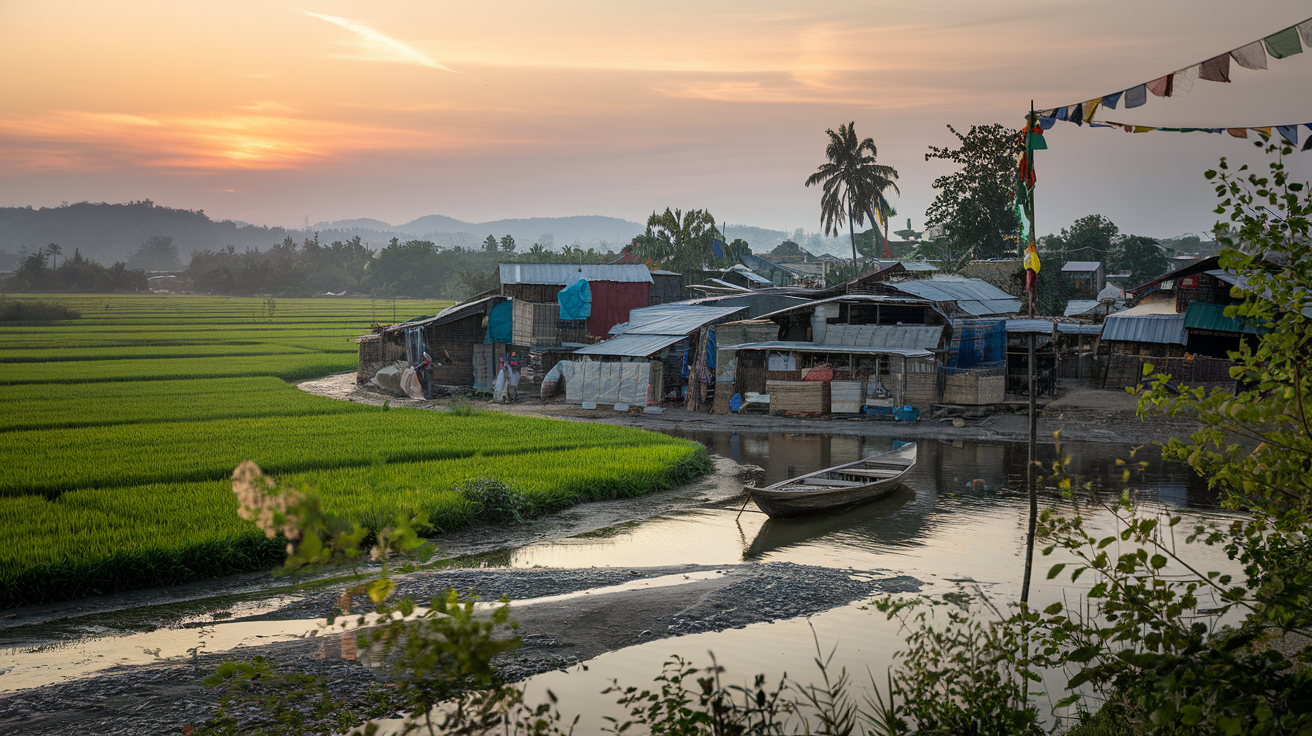
Bangladesh offers far more than its famous Cox’s Bazar beach—it’s a country brimming with undiscovered treasures waiting for adventurous travelers. From the lush tea gardens and cascading waterfalls of Sylhet to the ancient Buddhist monastery at Paharpur, these hidden gems provide authentic cultural experiences away from the typical tourist crowds. The Sundarbans’ mysterious mangrove forests and the serene hill districts of Rangamati and Bandarban showcase Bangladesh’s remarkable natural diversity and tranquil beauty that travel influencers rarely spotlight.
As you plan your journey to these lesser-known destinations, embrace the opportunity to forge your own path through this remarkable country. These five destinations offer not just spectacular sights but meaningful connections with local communities and traditions that remain largely untouched by mass tourism. Bangladesh’s hidden treasures promise the authentic travel experiences that increasingly elude visitors to more publicized destinations—all you need is the curiosity to venture beyond the familiar and discover them for yourself.